- asiabits
- Posts
- 🟠 Alibaba attacks US AI
🟠 Alibaba attacks US AI
+ VinFast with billion-dollar loss

☕️ Good morning friends,
Shenzhen is giving us headaches. We've said it 100 times already, but it's really true. The speed here is incredible.
We need a vacation next week. Where should we go? Please send us destinations. Thanks!
In today's issue:
Alibaba unleashes the "Monkey King"
Malaysia becomes investor haven
Geely receives EU approval for smart driving
Enjoy reading! 📰

Nvidia lifts Asia: Asian markets rallied broadly on Tuesday, led by the KOSPI at +2.9% after strong Nvidia numbers and new partnerships with Hyundai, BYD and Geely for autonomous driving.
TOP BIT
Alibaba unleashes the "Monkey King": Wukong attacks the AI agent market
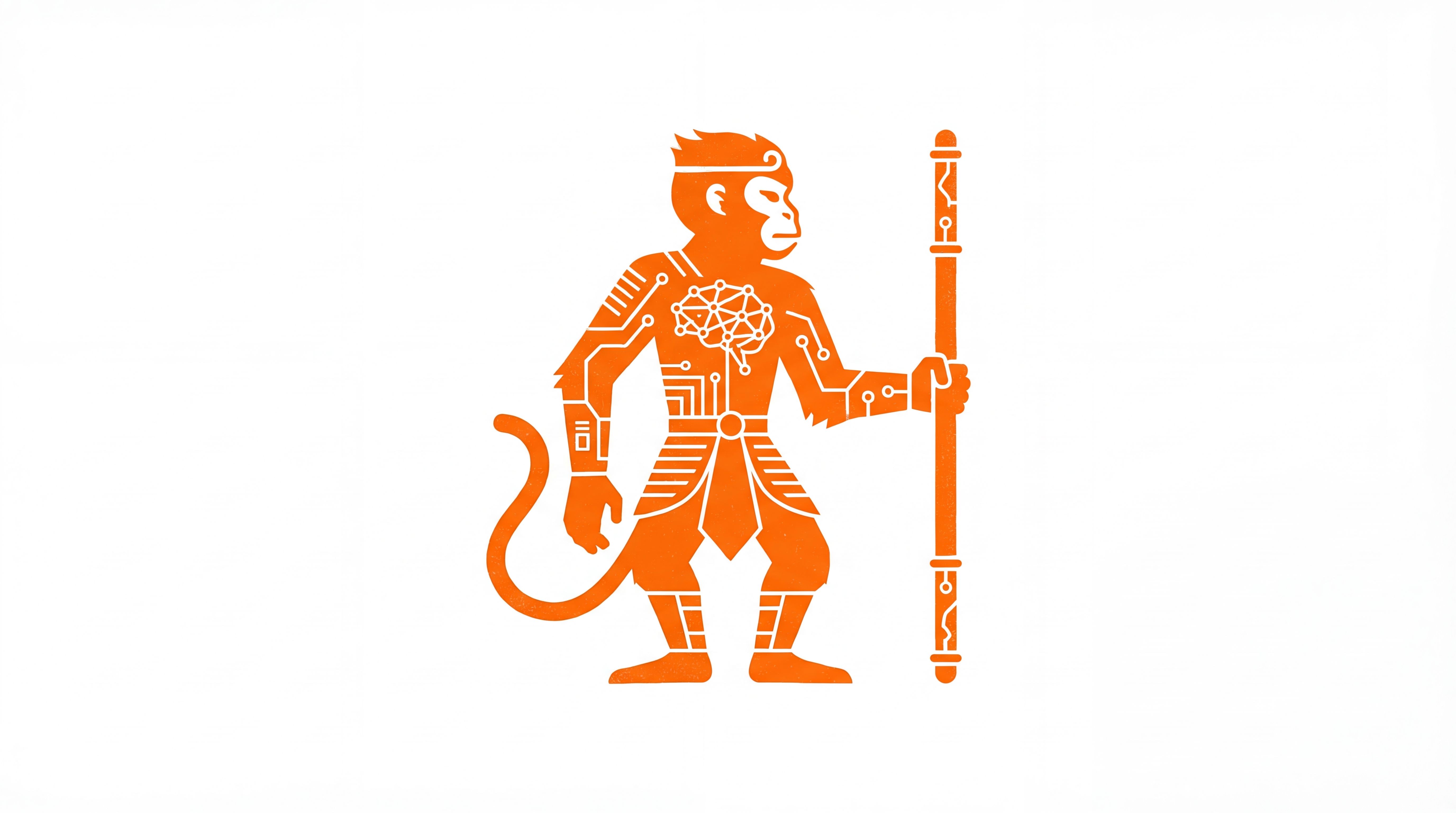
In the midst of a radical internal restructuring, Alibaba unveiled its latest secret weapon in the AI race on Tuesday: Wukong.
Named after the legendary Monkey King, the platform marks the transition from simple chatbots to proactive "agentic AI" systems for businesses. Alibaba is thereby responding to the massive "OpenClaw" hype currently sweeping China's tech sector.
Wukong: the proactive digital employee
Unlike conventional AI tools that merely answer questions, Wukong can independently execute tasks in enterprise systems.
Core functions: Document processing, approval processes, meeting transcriptions, and complex market analyses via a central interface.
Integration: The platform is available as a desktop app or via DingTalk (over 20 million corporate customers). Integration with Western tools like Slack, Microsoft Teams, as well as Alibaba's ecosystems Taobao and Alipay is planned.
Security: To dispel data privacy concerns, Alibaba offers an "enterprise-grade" infrastructure that controls agent access to sensitive company data.
Restructuring & unrest: the dark sides of the AI boom
The unveiling of Wukong comes at a critical time for Alibaba. One day earlier, the group announced the founding of Alibaba Token Hub (ATH), which consolidates all AI activities under the leadership of CEO Eddie Wu.
Personnel exodus: The team behind the successful AI model Qwen has seen prominent departures. Chief developer Lin Junyang left the company in March, followed by the heads of post-training and coding.
Financial pressure: Alibaba faces the release of its quarterly numbers on Thursday. After investments of over $53 billion in AI, investors expect clear evidence of monetization.
Experts see Wukong and OpenClaw as the beginning of the "AGI inflection point." AI no longer just "chats," it "acts" (VLA - Vision-Language-Action).
While the US leads in basic technologies, China is developing into the world's largest testing ground for the practical application of these AI agents in everyday work.
All details & data: Scientific American, SCMP, Bloomberg
OUR PARTNER

Our partner CEIBS shows on March 25 how to take your career to the next level.
And the best part? We'll be there too. Register here.
MARKET BIT
VinFast: $3.9 billion loss and a self-made sales record
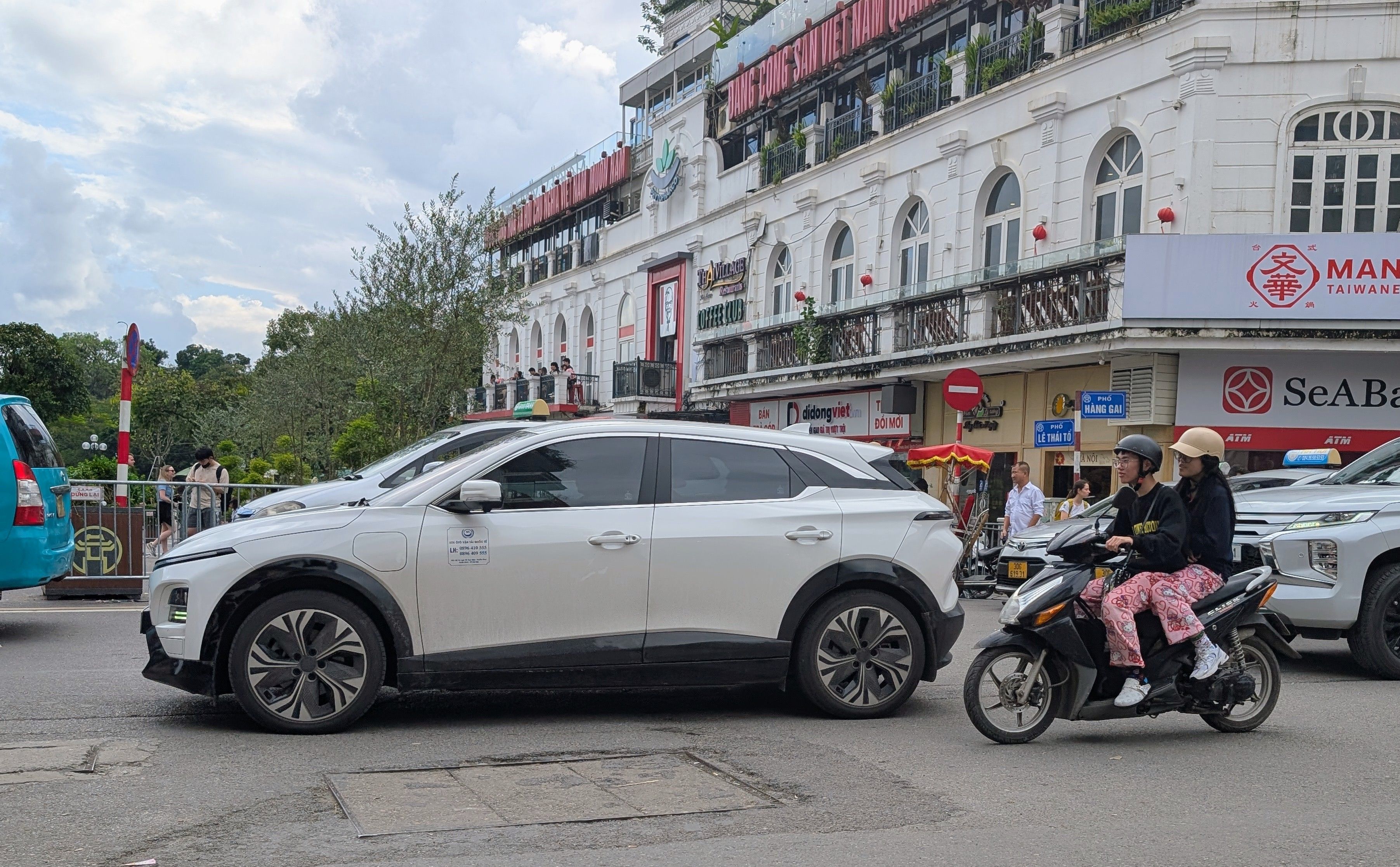
Vietnam’s largest carmaker, VinFast, sold nearly 197,000 EVs in 2025, twice as many as the year before. Sounds like a breakthrough. But it comes with a catch:
Net loss: $3.87 billion (+26%)
Gross margin: -42.5% (previous year: -57.4%)
The catch
VinFast sells every car below its own cost.
2025 production costs: $5.13 billion against revenue of $3.6 billion.
Vietnam: 89% of all sales, market share up from 22% to 36%
US/Europe: Failed. 1,413 US sales in 2025 (-57%), all Europe showrooms closed. At least $14 billion was invested in the Western expansion.
Southeast Asia: This is where VinFast is growing. No. 4 BEV brand in India, No. 3 in Indonesia, No. 2 in the Philippines. New factories in India and Indonesia.
Vuong has personally committed $2 billion in financing to VinFast, of which $1.1 billion has already been drawn, and Vingroup is providing another $1.4 billion.
The subsidized doubling
In 2023, VinFast wanted to conquer the world: a Nasdaq listing, showrooms from California to Germany.
Reality looked different: poor reviews, software recalls, and just $6.4 million in US revenue for the entire year. Since then, the company has retreated back to Vietnam and Southeast Asia. 72% of its cars went to its own taxi fleet, GSM.
Structurally, little has changed. Pham Nhat Vuong, Vietnam’s richest man and VinFast founder, owns 95% of GSM, buys his own cars below market price, and operates more than 30,000 electric taxis. On top of that, there are state tax exemptions until 2027 and a planned internal combustion engine ban in Hanoi.
The GSM share has fallen from 72% to 33%, but VinFast remains dependent on its own fleet as a guaranteed sales channel.
Robot rescue
But gross margin is improving quarter by quarter, and to lower unit costs VinFast is betting on automation: sister company VinMotion presented a humanoid robot together with Qualcomm at CES for use on its own production line.
Founder Vuong says he will support VinFast “until he runs out of money.”
Target for 2026: 300,000 EVs and break-even.
Capacity: 600,000. So far, only one-third is being utilized.
Sources: Nikkei, Autonews, Vinfast IR
HIGHLIGHTS
🇰🇷 Samsung Unveils HBM4E at Nvidia GTC: Samsung presented its seventh-generation HBM chip for the first time at Nvidia GTC 2026. The HBM4E delivers 16 gigabits per second per pin and 4 terabytes of bandwidth, a significant leap over the HBM4. Nvidia CEO Jensen Huang mentioned Samsung in his keynote, with both companies now also cooperating on contract chip manufacturing. Samsung is already shipping HBM4 for Nvidia's upcoming Vera Rubin AI platform.
🇲🇾 Malaysia Becomes Investor Safe Haven: As the Middle East conflict rattles Asian markets, Malaysia's KLCI lost just 1.2% in March. The country benefits as one of Asia's few net energy exporters, with petroleum accounting for 12.5% of government revenue. CLSA strategist Alexander Redman upgraded Malaysia from underweight to neutral. Prime Minister Anwar Ibrahim's push into semiconductors and data centers is also attracting foreign direct investment.
🇨🇳 Geely Wins EU Approval for Smart Driving: Geely has become only the second automaker after BMW to receive safety certification for its driver assistance system under European standards. The technology will be deployed in Lotus vehicles in Europe starting June. XPeng and Nio are also pushing into international markets with their own assistance systems. In the US, meanwhile, connected vehicles with Chinese hardware and software are set to be phased out from 2027.
🇯🇵 Daifuku Plans Humanoid Robots for Logistics: The world's largest material handling equipment maker launched a dedicated humanoid unit in January and opened a physical AI research lab in Tokyo on March 11. The robots are designed to handle picking tasks in e-commerce warehouses that are too complex for conventional industrial robots. Instead of legs, Daifuku is opting for wheels: factory and warehouse floors are flat, making bipedal locomotion unnecessary. President Tomoaki Terai is targeting field tests within three years.
MORE ASIABITS
Free guide: AI Automation for Beginners
Humanoid Robotics Report: The $6 Billion Bet
Interactive tool: China Dependency Index™
YOUR FEEDBACK
How do you like today's briefing? |