- asiabits
- Posts
- 🟠 Asia builds 100 new nuclear reactors
🟠 Asia builds 100 new nuclear reactors

☕️ Good morning friends,
Finally Friday! But: It's Friday the 13th. Luckily we're not flying to Shenzhen until tomorrow…
Have a great weekend already!
In today's issue:
Europe wants to return to nuclear power, all of Asia has been building for ages
Korean retail investors bet on China's robotics industry
Japanese electronics group builds Singapore plant
P.S. Fitting for today's Top Bit: Check out with our interactive tool how dependent the world is on China's supply chain.
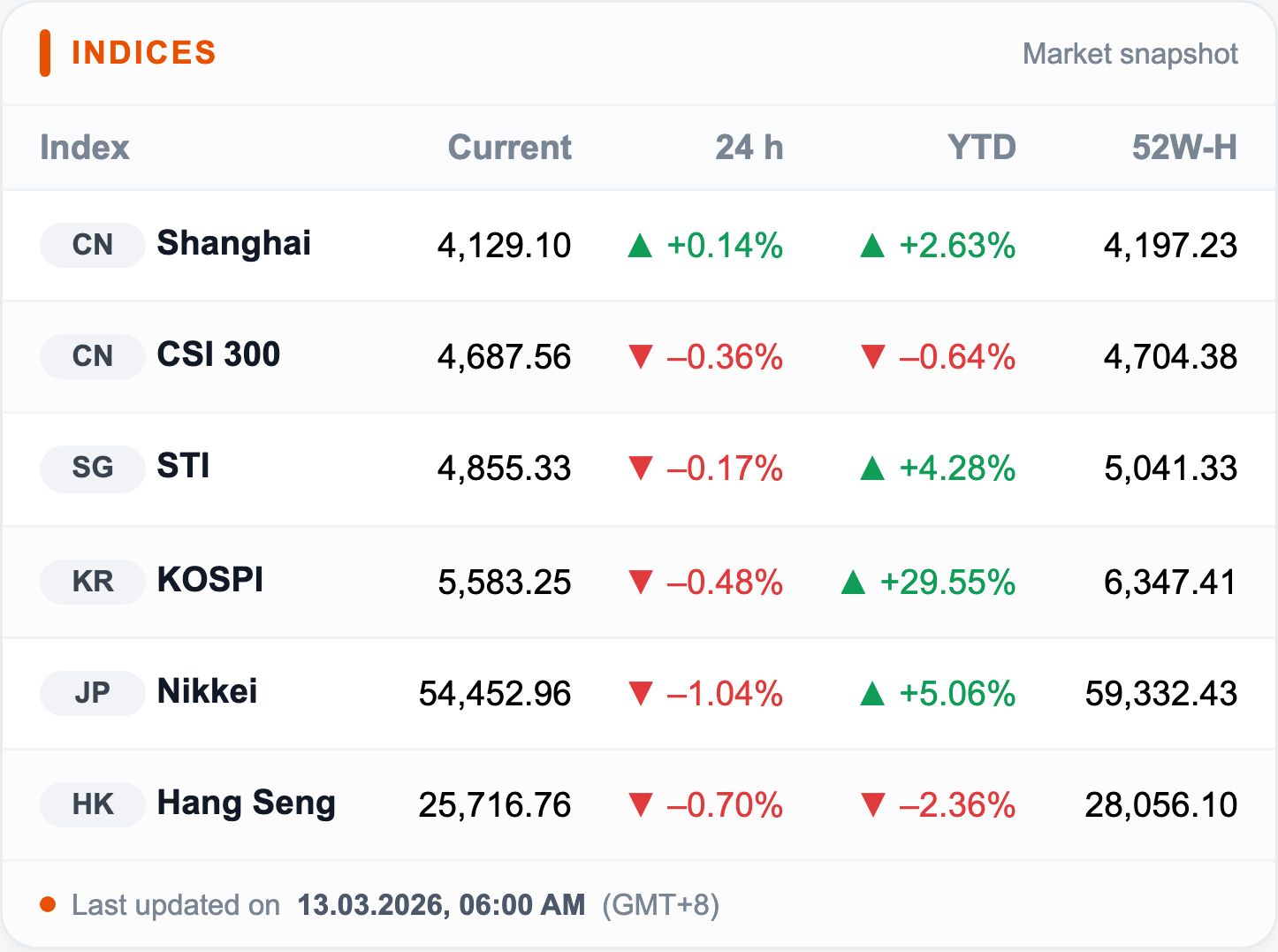
Yen slides toward 160: The Japanese yen fell to 159.40 per dollar, its weakest since January.
Main driver: oil prices surged past $100 per barrel (+10%), and Japan imports nearly all its oil. Last time the yen was this weak (July 2024), the central bank stepped in. This time, they're sitting it out because the decline is more gradual and far fewer traders are betting against the currency.
TOP BIT
Europe admits "strategic mistake" - Asia builds 100 nuclear power plants

"It was a strategic mistake for Europe to turn away from reliable energy"
The EU Commission wants to invest €200 million in mini reactors (SMR), first commissioning in early 2030s.
In Asia, development is already much further along:
China's nuclear marathon
59 reactors in operation, 28-36 under construction – more than any other country. Beijing approved ten new reactors in 2025 ($27 billion) – 10+ per year for the fourth consecutive time.
Construction time: 5 years per reactor (vs. 10-15 years in Europe/USA)
2035 target: 200 GW capacity (currently 62 GW)
Technology: World's first Gen-IV high-temperature reactor (2023), thorium experiments underway
China is already exporting: Target is 30 reactors in Belt & Road countries by 2030, revenue $145 billion.
South Korea: 80% approval
Public polls showed 80%+ support for nuclear power.
26 reactors deliver 31.7% of electricity. Plan until 2038: Two new large reactors (2.8 GW) plus first commercial SMR (700 MW).
Japan after Fukushima
15 years after the disaster, 15 of 33 reactors are running again.
Target by 2040: 20% nuclear power (currently 9%).
📊 All details & data: France24, World Nuclear Association, World Nuclear News
OUR PARTNER
88% resolved. 22% loyal. Your stack has a problem.

Those numbers aren't a CX issue — they're a design issue. Gladly's 2026 Customer Expectations Report breaks down exactly where AI-powered service loses customers, and what the architecture of loyalty-driven CX actually looks like.
MARKET BIT
Korean retail investors are betting $444 million on China’s robotics suppliers
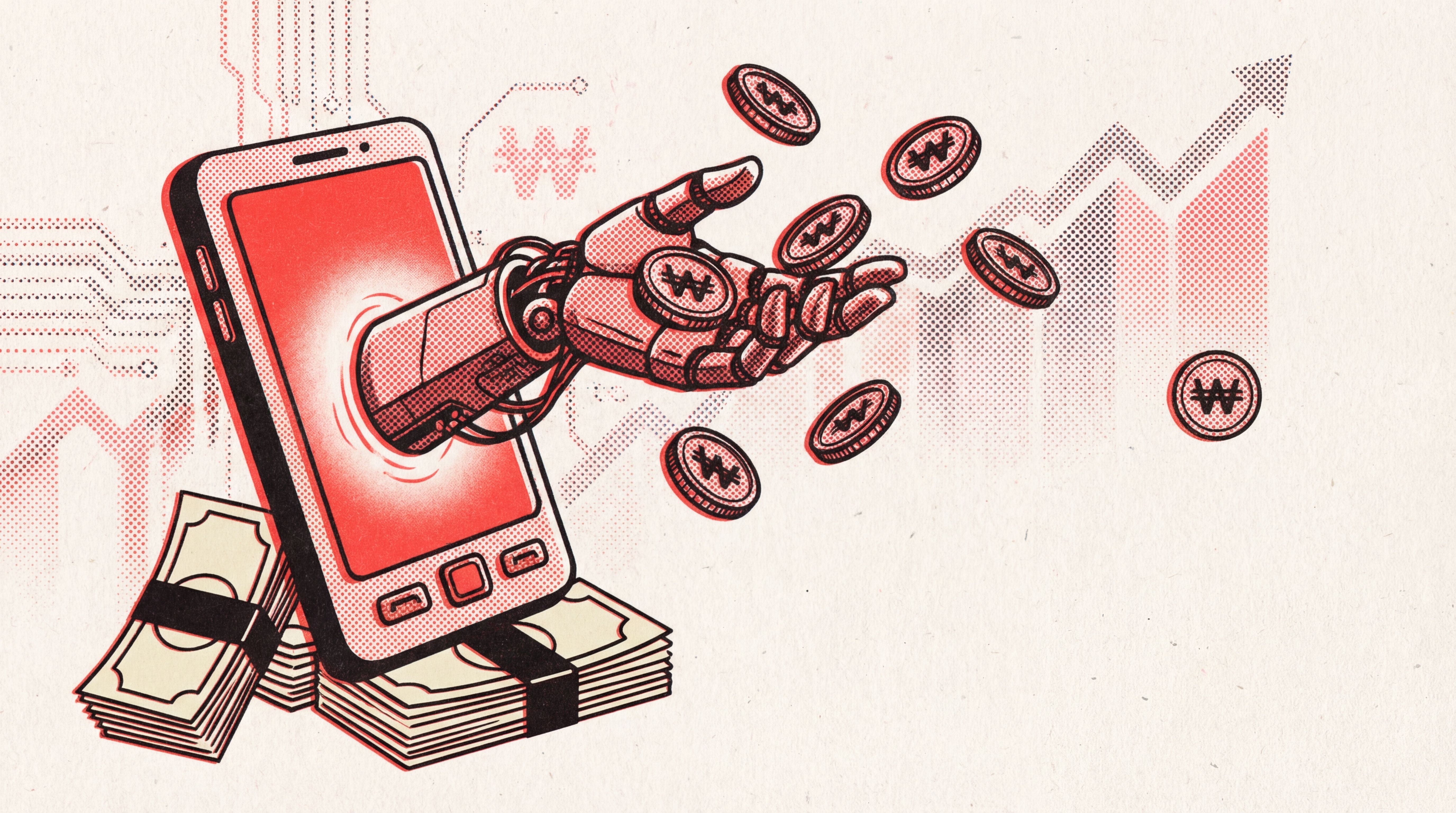
Korean conglomerates are reducing their dependence on China.
Korean retail investors are doing the exact opposite: they are pouring hundreds of millions of dollars into funds that bet on China’s humanoid robotics supply chain.
The details
Seven humanoid robotics ETFs are listed on the Korea Exchange: two focused on Korea, two on the US, two on China, and one global.
China ETFs: $444 million in assets under management.
Korea ETFs: $465 million, almost on par.
US ETFs: $288 million, significantly less.
The two China products come from Mirae Asset and Samsung Asset Management.
Mirae Asset’s fund, launched in May 2025, tracks China’s entire robotics supply chain and has gained 43% since listing. Samsung’s equivalent is slightly negative. US-focused robotics ETFs are up 15–30%, while one global fund has returned as much as 60%.
Margin vs. volume
In November, Goldman Sachs surveyed nine Chinese suppliers, including Sanhua and Tuopu Group. These companies are planning capacity for 100,000 to 1 million robot units per year, even though no large-scale orders have been confirmed yet.
At Agibot, Unitree, and UBTech, currently the largest humanoid producers by unit volume, the supply chain is almost entirely Chinese.
Lee Jong-min of Mirae Asset compares the robotics supply chain to the EV industry: motors, actuators, rare earths, the critical components for humanoid robots, are in some cases sourced exclusively from China.
The investors’ bet: if unit volumes rise, margins will scale across the entire supply chain.
The same bet worked five years ago with EV suppliers, before CATL and BYD came to dominate the global market.
On top of that, China’s stock market is valued much more cheaply relative to GDP than the US market, leaving room for a rerating.
👉 Sources: Korea Herald, Business Korea, Humanoids Daily

HIGHLIGHTS
🇨🇳 Cambricon posts first-ever annual profit: The Chinese AI chipmaker turned profitable in 2025 with net income of 2.1 billion yuan as revenue surged from 1.2 to 6.5 billion yuan. The main driver: Chinese tech giants like Alibaba and Tencent are shifting to domestic chips as Nvidia export restrictions tighten. Cambricon plans to ship 500,000 AI accelerators in 2026, aiming to take market share from Huawei.
🇯🇵 Robotaxis coming to Tokyo: Nissan, Uber, and British startup Wayve plan to test autonomous taxis in Tokyo in late 2026. The robotaxis will use Nissan Leaf EVs equipped with Wayve's camera-based AI that operates without HD maps. Waymo and Toyota-backed Nuro are already testing in the city. The global robotaxi market is projected to reach USD 189 billion by 2034.
🇨🇳 From vacuum cleaners to chip design: Dreame Technology, known for robot vacuums and hair dryers, has launched its own chip division under the NXMind brand. Its first mass-produced chip handles lidar and AI-based navigation for robot vacuums. Dreame also unveiled an autonomous driving chip with 2,000 TOPS of computing power and a mobile processor. The company posted over 40 billion yuan (USD 5.8 billion) in revenue in 2025 and holds a 12.4% global market share in robot vacuums.
🇸🇬 Kaga Electronics builds Singapore plant: The Japanese electronics firm is opening a circuit board assembly plant in Singapore in spring 2026. The target market: Chinese manufacturers relocating production abroad due to US tariffs and geopolitical tensions. The city-state offers strong infrastructure for electronics manufacturing. The facility will also serve as a showroom for production equipment co-developed with Chinese partners.
BEHIND THE BITS
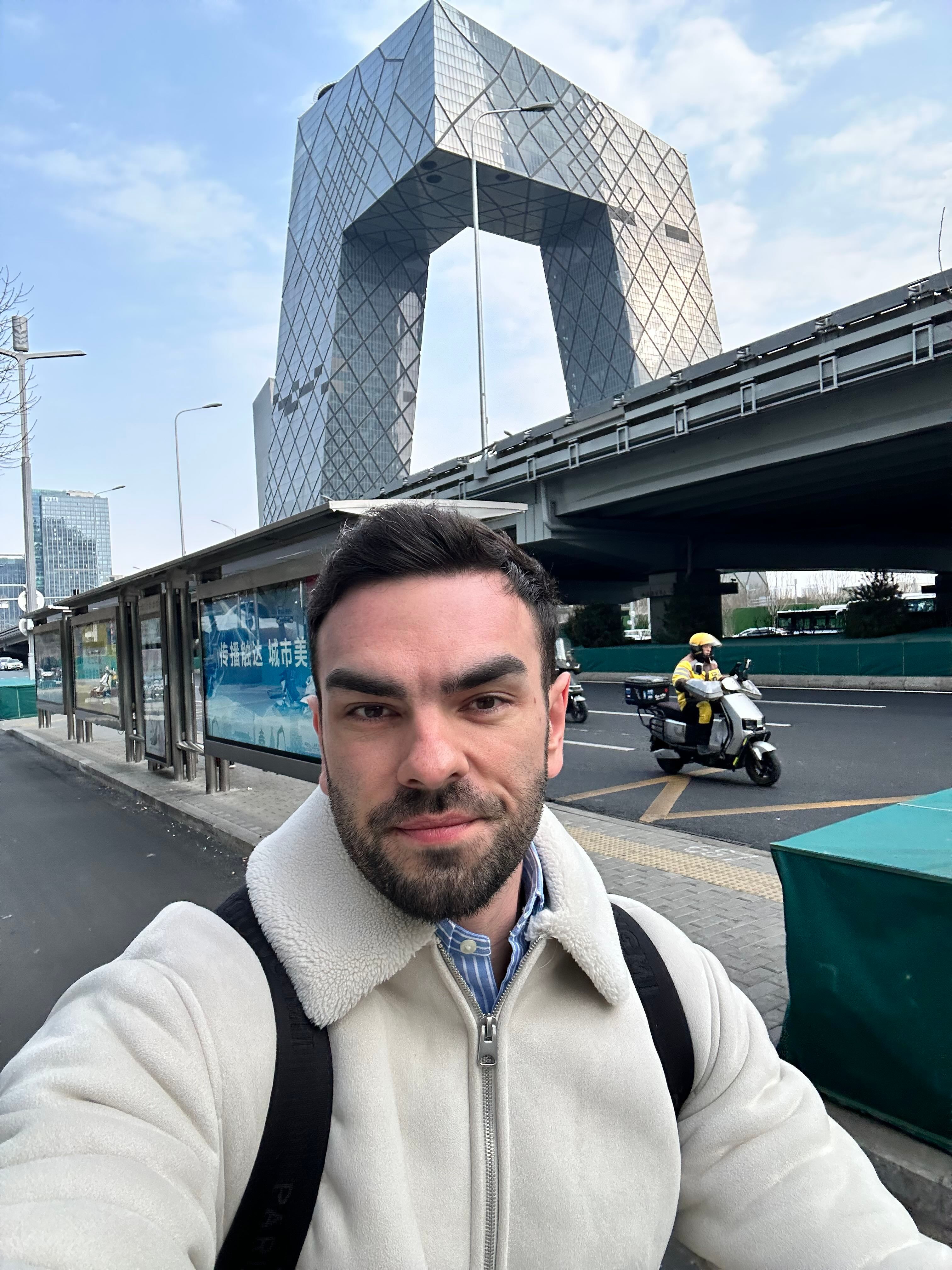
Shenzhen gets all the hype
But anyone who had walked with us last week through the Sino-German Industrial Park and through robotics facilities in Beijing would have understood why the capital is underrated.
We held discussions there and visited companies that will turn into concrete partnerships and events for you in 2026.
More on that in the coming weeks.
MORE ASIABITS
Free guide: AI Automation for Beginners
Humanoid Robotics Report: The $6 Billion Bet
Interactive tool: China Dependency Index™
YOUR FEEDBACK
How do you like today's briefing? |